Global Japanese Sushi Rolls
Highlighted under: World Cuisine
I love making sushi at home because it allows me to experiment with flavors and ingredients that excite my palate. These Global Japanese Sushi Rolls are the perfect mix of traditional and modern elements, combining fresh seafood with vibrant vegetables. It's a fun process to roll them up, and I always enjoy sharing my creations with friends. This recipe is not only delightful but also lets you customize each roll according to your taste, making sushi nights an enjoyable, interactive experience.
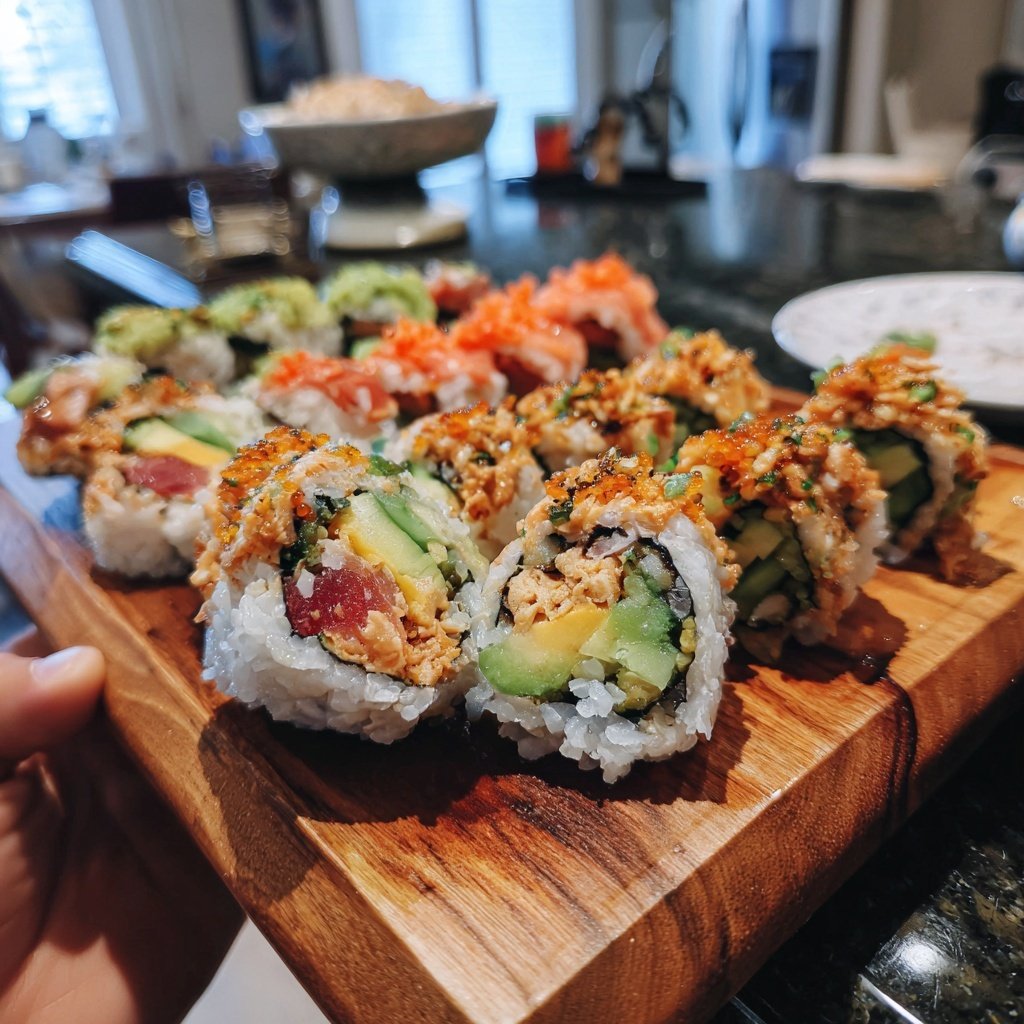
When I first started making sushi, I was intimidated by the process and the various techniques involved. Over time, I learned that the key to perfect sushi rolls lies in the quality of ingredients and the rice preparation. I’ve discovered that soaking the rice beforehand and letting it steam properly results in the ideal sticky texture that holds everything together beautifully.
One of my favorite things about these Global Japanese Sushi Rolls is the ability to experiment with different fillings. From avocado and crab to spicy tuna and cucumber, the combinations are endless! I always recommend adding a dash of sesame oil to the rice for an extra layer of flavor that complements the fresh ingredients perfectly.
Why You'll Love This Recipe
- Fun and interactive experience perfect for gatherings
- Endless combinations allow for creativity in flavors
- Fresh ingredients ensure a healthier meal option
Understanding Sushi Rice
Sushi rice is the foundation of your rolls, and getting it right is crucial for the overall texture and flavor. Rinsing the rice until the water runs clear is essential as it removes excess starch, preventing the rice from becoming gummy. After soaking, cooking the rice according to your rice cooker's settings ensures fluffy grains that bond together without becoming mushy. Keep a close eye on the steam phase—it makes the rice glossy and sticky, which is key for successful rolling.
Incorporating the vinegar mixture into the rice is another vital step. After you’ve cooked the rice, gently fold in the seasoned vinegar while it's still warm. This creates a subtle flavor and gives the rice that signature sushi taste. Avoid stirring too vigorously to keep the grains intact; aim for a delicate folding motion that maintains the light texture. If you're in a pinch, you can substitute rice vinegar with apple cider vinegar, though it may alter the taste slightly.
Mastering the Art of Rolling
Rolling sushi can be a bit tricky at first, but practice makes perfect! When placing the nori on your bamboo mat, ensure the shiny side is facing down to achieve that glossy exterior. Wet hands are crucial here to prevent the rice from sticking to your fingers as you spread it out. Start with a thin layer of rice—it should cover about three-quarters of the nori. A too-thick layer will make rolling cumbersome, and the filling won't be distributed evenly.
As you begin to roll, applying consistent pressure helps shape the sushi without squishing the ingredients. Keep your fillings compact; too much filling can lead to bursting rolls. If you find your rolls coming apart, make sure to wet the edges of the nori before sealing—the moisture acts like glue. For a fun twist, consider adding a sprinkle of sesame seeds or a drizzle of spicy mayo on the outside of the roll before slicing; it adds flavor and a touch of elegance.
Customizing Your Rolls
The beauty of sushi is its versatility. Feel free to get creative with your fillings! Instead of fish, try using grilled shrimp or even marinated tofu for a vegetarian option. Incorporating seasonal vegetables not only boosts nutrition but also adds vibrant colors and textures. Don't overlook the power of sauces; a touch of wasabi or a sweet soy glaze can elevate your rolls to a whole new level of flavor.
If you have leftovers, sushi can still be enjoyed the next day—but it's best to store rolls individually in an airtight container to prevent them from getting soggy. Simply keep them in the refrigerator and enjoy cold or allow them to come back to room temperature before serving. Additionally, you can use leftover rice and fillings to create poke bowls, preserving their delightful flavors in a different presentation.
Ingredients
You will need the following ingredients:
Sushi Rice
- 2 cups sushi rice
- 2 1/2 cups water
- 1/3 cup rice vinegar
- 3 tablespoons sugar
- 1 teaspoon salt
Fillings
- 1/2 pound sushi-grade fish (like tuna or salmon)
- 1 avocado, sliced
- 1 cucumber, julienned
- 4 sheets of nori (seaweed)
- Soy sauce for serving
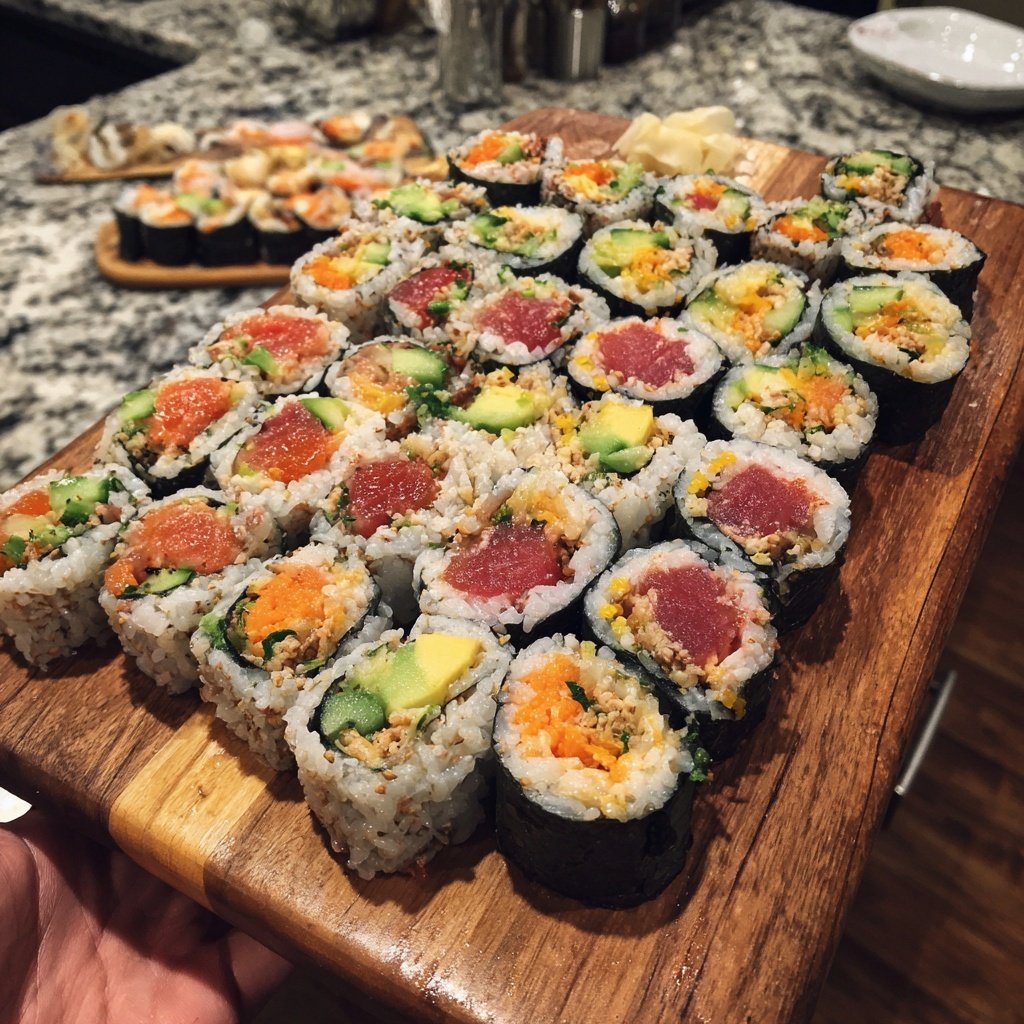
Gather these items for a delicious sushi experience!
Instructions
Follow these simple steps to create your sushi rolls:
Prepare the Sushi Rice
Rinse sushi rice under cold water until the water runs clear. Soak rice in water for 30 minutes, then drain. Combine the soaked rice with 2 1/2 cups water in a rice cooker and cook according to instructions. Once done, let it steam for an additional 10 minutes before transferring to a bowl. Mix rice vinegar, sugar, and salt in a small saucepan and heat until dissolved, then stir it into the rice.
Assemble the Rolls
Place a bamboo sushi mat on a flat surface and lay a sheet of nori on it, shiny side down. With wet hands, spread a thin layer of sushi rice over the nori, leaving a 1-inch border at the top. Arrange your fillings in a line across the rice, then, using the mat, tightly roll the sushi away from you, tucking in the fillings as you go. Wet the top edge of the nori to seal the roll.
Slice and Serve
Using a sharp, wet knife, slice the sushi roll into bite-sized pieces. Serve the rolls with soy sauce and your favorite dipping sauces. Enjoy your culinary creation!
Now you're ready to enjoy fresh sushi at home!
Pro Tips
- For the best sushi experience, always use sushi-grade fish and fresh vegetables. Experiment with different fillings and sauces to find your perfect combination.
Sushi Night Ideas
Sushi nights are a fantastic way to engage with friends or family. Set up a sushi bar with various fillings and condiments, allowing everyone to create their own personalized rolls. This interactive element not only encourages creativity but also fosters a sense of community as each person showcases their sushi-making skills. Make sure to prepare extra nori sheets and rice to accommodate everyone’s preferences, as you might find some repeat their favorites!
To enhance the experience, consider preparing some side dishes such as edamame or miso soup. These complement the freshness of sushi perfectly and add to the culinary adventure. Pair your homemade sushi with green tea or sake to enhance the flavors—it's all about creating that authentic Japanese dining atmosphere.
Storing and Reheating Sushi
While sushi is best enjoyed fresh, you can certainly store any leftovers. Wrap the remaining sushi rolls in plastic wrap to keep them from drying out, then place them in an airtight container in the fridge. They should be eaten within 24 hours for optimal freshness. When you're ready to enjoy them again, simply let them sit at room temperature for about 30 minutes before eating, as this helps to soften the rice and enhance the flavors.
If you're dealing with extra sushi rice, do not throw it away! Instead, spread it on a baking sheet and let it cool, then store it in an airtight container in the fridge. You can reuse it in a variety of dishes, such as fried rice or sushi-inspired salads, turning potential waste into delicious meals.
Questions About Recipes
→ Can I use brown rice instead of sushi rice?
Brown rice can be used, but it requires a different cooking method and may not have the same sticky texture.
→ What if I don't have a bamboo mat?
You can use a clean kitchen towel as an alternative, though it may be trickier to roll.
→ How do I store leftovers?
Store leftover sushi rolls in an airtight container in the fridge for up to 1 day. They are best eaten fresh.
→ Can I make sushi vegetarian?
Absolutely! Substitute fish with avocado, fried tofu, or any vegetables you prefer.
Global Japanese Sushi Rolls
Created by: The Annasrecipes Team
Recipe Type: World Cuisine
Skill Level: Intermediate
Final Quantity: 4 rolls
What You'll Need
Sushi Rice
- 2 cups sushi rice
- 2 1/2 cups water
- 1/3 cup rice vinegar
- 3 tablespoons sugar
- 1 teaspoon salt
Fillings
- 1/2 pound sushi-grade fish (like tuna or salmon)
- 1 avocado, sliced
- 1 cucumber, julienned
- 4 sheets of nori (seaweed)
- Soy sauce for serving
How-To Steps
Rinse sushi rice under cold water until the water runs clear. Soak rice in water for 30 minutes, then drain. Combine the soaked rice with 2 1/2 cups water in a rice cooker and cook according to instructions. Once done, let it steam for an additional 10 minutes before transferring to a bowl. Mix rice vinegar, sugar, and salt in a small saucepan and heat until dissolved, then stir it into the rice.
Place a bamboo sushi mat on a flat surface and lay a sheet of nori on it, shiny side down. With wet hands, spread a thin layer of sushi rice over the nori, leaving a 1-inch border at the top. Arrange your fillings in a line across the rice, then, using the mat, tightly roll the sushi away from you, tucking in the fillings as you go. Wet the top edge of the nori to seal the roll.
Using a sharp, wet knife, slice the sushi roll into bite-sized pieces. Serve the rolls with soy sauce and your favorite dipping sauces. Enjoy your culinary creation!
Extra Tips
- For the best sushi experience, always use sushi-grade fish and fresh vegetables. Experiment with different fillings and sauces to find your perfect combination.
Nutritional Breakdown (Per Serving)
- Calories: 350 kcal
- Total Fat: 10g
- Saturated Fat: 1g
- Cholesterol: 40mg
- Sodium: 600mg
- Total Carbohydrates: 56g
- Dietary Fiber: 2g
- Sugars: 1g
- Protein: 12g