Dandelion Leaf Pesto Pasta
Highlighted under: Clean Eating
I'm always looking for creative ways to use ingredients that might otherwise go overlooked, and dandelion greens are a perfect example. When I first attempted this Dandelion Leaf Pesto Pasta, I was surprised by how well the slightly bitter flavor of the leaves combined with the creamy, nutty tones of the pesto. The bright and vibrant green of the dish was not only a feast for the eyes but also packed a nutritional punch. I love a dish that’s simple yet offers an unexpected twist, and this one certainly does!
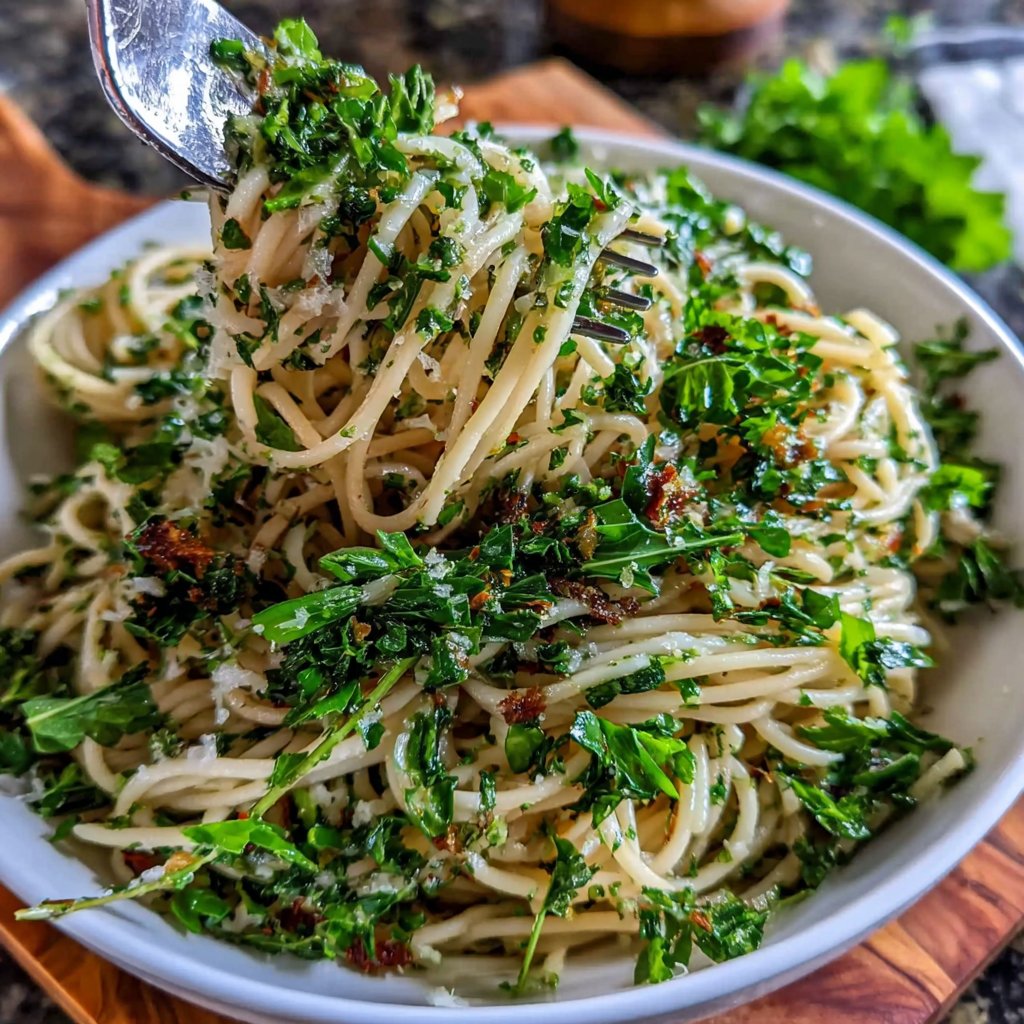
When I first came across dandelion leaves at the farmer's market, I was intrigued. I decided to experiment with a pesto recipe, thinking that the leaves' earthiness would pair beautifully with pasta. After several trials, I perfected this Dandelion Leaf Pesto Pasta, which has quickly become a family favorite. The combination of walnuts and garlic enhances the flavor profile, making it rich yet refreshing.
A little tip I learned along the way is to toast the walnuts slightly before adding them to the pesto. This enhances their nuttiness and complements the greens brilliantly. Overall, this dish has become a staple in my kitchen, and it's a wonderful way to incorporate more greens into our diets.
Why You Will Love This Recipe
- Unique, earthy flavor that elevates traditional pesto
- Quick and easy to prepare for any weeknight dinner
- Packed with nutrients and a great way to use foraged greens
Exploring Dandelion Greens
Dandelion greens might be underrated, but they bring a unique, slightly bitter taste that pairs beautifully with the creamy richness of pesto. By incorporating these greens, not only do you enhance the flavor profile, but you also add a multitude of vitamins such as A, C, and K, plus essential minerals. When handling dandelion leaves, look for younger, tender leaves for a milder taste. Older leaves can be more bitter and may require blanching before use to tame their flavor.
To maximize the freshness of your dandelion greens, consider foraging them yourself if you have access to a clean and chemical-free area. When purchasing, choose bright, crisp leaves free of brown spots. A quick rinse under cold water helps remove any dirt. For those who might be hesitant about their bitterness, mixing in sweet basil or spinach can balance the flavor while still keeping the dish vibrant and nutritious.
Perfecting the Pesto
When blending the dandelion leaf pesto, using a food processor helps achieve that desirable smooth texture. Start with the dandelion, walnuts, Parmesan, and garlic, blending them to a fine consistency before gradually drizzling in the olive oil. This method allows the oil to emulsify with the other ingredients, resulting in a glossy, cohesive pesto. If your mixture is only slightly thick, you can add more olive oil as needed to reach your desired consistency.
Don’t hesitate to adjust the ingredients to suit your taste. For a nut-free option, swap walnuts with roasted sunflower seeds, which add creaminess without overpowering the dandelion flavor. Likewise, for a vegan version, substitute the Parmesan with nutritional yeast. The zest of the lemon not only brightens the pesto but also helps preserve the vibrant green color of the pesto, making it visually appealing on your pasta.
Ingredients
Ingredients
For the Dandelion Leaf Pesto
- 2 cups fresh dandelion leaves, washed and stems removed
- 1/2 cup walnuts, toasted
- 1/2 cup grated Parmesan cheese
- 2 cloves garlic, minced
- 1/2 cup olive oil
- Salt and pepper to taste
- Juice of 1 lemon
For the Pasta
- 12 oz pasta of your choice (spaghetti, fettuccine, etc.)
- Freshly black pepper for garnish
- Additional Parmesan for serving
Mix well and adjust the seasoning according to your preference.
Instructions
Instructions
Cook the Pasta
In a large pot of boiling salted water, cook the pasta according to package instructions until al dente. Drain, reserving 1 cup of pasta water.
Prepare the Pesto
In a food processor, combine the dandelion leaves, toasted walnuts, Parmesan cheese, and garlic. Pulse until finely chopped. Gradually add the olive oil while blending until the mixture is smooth. Add lemon juice, salt, and pepper, and blend again.
Combine Pasta with Pesto
In a large mixing bowl, combine the cooked pasta and dandelion pesto. Toss gently to coat the pasta, adding reserved pasta water a little at a time until you achieve the desired consistency.
Serve
Serve immediately with a sprinkle of freshly ground black pepper and additional Parmesan cheese on top.
Enjoy your delicious and nutritious meal!
Pro Tips
- For a nut-free version, you can substitute sunflower seeds for the walnuts in the pesto.
Cooking the Perfect Pasta
To ensure your pasta reaches the perfect al dente texture, follow the package instructions closely, typically around 8-12 minutes depending on the type. Start with a generous amount of salted water; this helps flavor the pasta as it cooks. Once drained, do not rinse your pasta, as the starch helps the pesto cling better. Reserve some pasta water before draining, as this starchy liquid can be crucial for adjusting the consistency of your final dish.
If you're making this dish for a crowd, you can scale up the pasta easily; just ensure you have a large enough pot to accommodate everything without crowding. Additionally, consider setting aside extra pesto if you enjoy a more robust flavor or want to save some for another dish like sandwiches or salads.
Serving Suggestions and Variations
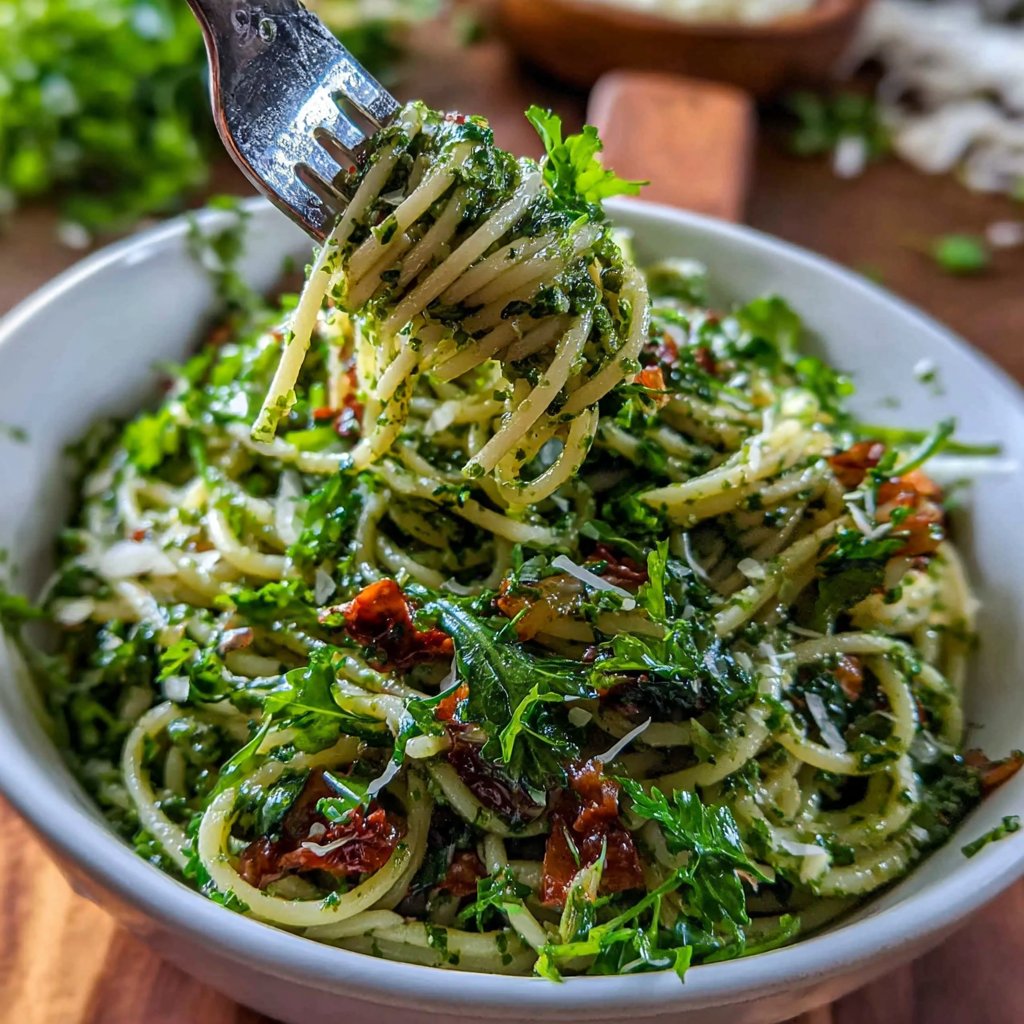
For an elevated presentation, serve the Dandelion Leaf Pesto Pasta in a shallow bowl, garnishing with freshly cracked black pepper and additional Parmesan. A light drizzle of high-quality olive oil can also add an inviting sheen. Pair this pasta with a refreshing salad, such as a simple arugula and cherry tomato salad dressed in lemon vinaigrette, to contrast the dish's richness.
Feel free to experiment with additional vegetables like roasted cherry tomatoes or blanched green beans, which can be tossed in with the pasta for added texture and nutrition. If you want to introduce a protein element, grilled chicken or chickpeas make excellent additions. Leftovers can be stored in an airtight container in the refrigerator for up to three days; simply reheat gently on the stovetop, adding a splash of water to refresh the creamy pesto.
Questions About Recipes
→ Can I use other greens instead of dandelion leaves?
Yes, you can substitute dandelion leaves with kale, spinach, or arugula for a different flavor.
→ How do I store leftover pesto?
Store it in an airtight container in the refrigerator for up to a week, or freeze it for up to three months.
→ Is dandelion leaf pesto suitable for vegans?
You can make it vegan by omitting Parmesan cheese or using a plant-based cheese alternative.
→ What pasta works best with this pesto?
Fettuccine, spaghetti, or any shape you prefer! Just ensure it's cooked al dente.
Dandelion Leaf Pesto Pasta
Created by: The Annasrecipes Team
Recipe Type: Clean Eating
Skill Level: Intermediate
Final Quantity: 4 servings
What You'll Need
For the Dandelion Leaf Pesto
- 2 cups fresh dandelion leaves, washed and stems removed
- 1/2 cup walnuts, toasted
- 1/2 cup grated Parmesan cheese
- 2 cloves garlic, minced
- 1/2 cup olive oil
- Salt and pepper to taste
- Juice of 1 lemon
For the Pasta
- 12 oz pasta of your choice (spaghetti, fettuccine, etc.)
- Freshly black pepper for garnish
- Additional Parmesan for serving
How-To Steps
In a large pot of boiling salted water, cook the pasta according to package instructions until al dente. Drain, reserving 1 cup of pasta water.
In a food processor, combine the dandelion leaves, toasted walnuts, Parmesan cheese, and garlic. Pulse until finely chopped. Gradually add the olive oil while blending until the mixture is smooth. Add lemon juice, salt, and pepper, and blend again.
In a large mixing bowl, combine the cooked pasta and dandelion pesto. Toss gently to coat the pasta, adding reserved pasta water a little at a time until you achieve the desired consistency.
Serve immediately with a sprinkle of freshly ground black pepper and additional Parmesan cheese on top.
Extra Tips
- For a nut-free version, you can substitute sunflower seeds for the walnuts in the pesto.
Nutritional Breakdown (Per Serving)
- Calories: 420 kcal
- Total Fat: 35g
- Saturated Fat: 6g
- Cholesterol: 20mg
- Sodium: 90mg
- Total Carbohydrates: 30g
- Dietary Fiber: 4g
- Sugars: 1g
- Protein: 10g